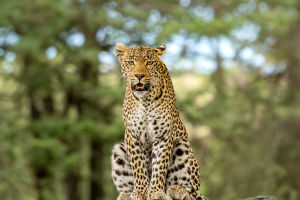
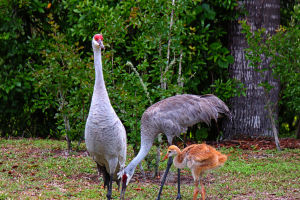
A young animal doesn't wake up knowing how to find shelter, avoid danger, or move confidently through its surroundings.
Those skills come from watching, copying, and practicing—often right beside a parent.
Whether it's a careful step, a warning sound, or a shared routine, these early lessons shape how an animal handles the world long after it grows independent.
Learning by Watching First
For many animals, survival lessons begin with observation. Before trying anything on their own, young ones spend long stretches simply watching.
- Copying movement and timing
Parents demonstrate when to move, when to stay still, and when to retreat. Young animals notice small details, like how slowly a parent approaches a resource or how it pauses to scan the area.
- Building a mental map
By following parents, young animals learn where safe paths, resting spots, and reliable resources are located. These routes often stay with them for life.
- Actionable example
If you observe animals in a park, watch how the young stay slightly behind the parent. That position allows them to see choices being made without taking the lead too early.
Practice Through Guided Experience
Watching alone isn't enough. Parents often guide young animals through hands-on practice, stepping in only when needed.
1. Gradual independence
Parents may start by leading the way, then slowly allow the young to move ahead. Mistakes happen, but they're part of the learning process.
2. Safe exposure to challenges
Instead of avoiding all risk, parents introduce manageable challenges. This helps young animals learn problem-solving without overwhelming stress.
3. Actionable example
In birds, parents often bring materials and demonstrate nest-building steps, then allow the young to arrange pieces themselves. Each attempt improves coordination and confidence.
Teaching What's Safe and What's Not
Knowing what to avoid can be just as important as knowing what to seek out. Parents play a key role in shaping these boundaries.
- Warning signals
Alarm calls, posture changes, or sudden stops communicate danger instantly. Young animals learn to react to these signals before fully understanding the threat.
- Learning through reaction
When parents suddenly change behavior, young animals notice. Over time, they associate certain sounds, smells, or movements with caution.
- Actionable example
If you hear repeated sharp calls from a bird, notice how nearby young immediately freeze or move closer. That reaction is a learned survival response.
Social Rules and Group Survival
Survival isn't only about the environment. It also depends on understanding social rules within a group.
- Respecting space and roles
Parents model how close to stand, when to wait, and how to share access to resources. These lessons reduce conflict later on.
- Reading subtle cues
Small movements, eye contact, or body angles communicate intent. Young animals learn these cues by constant exposure.
- Actionable example
When observing herd animals, watch how young follow spacing patterns set by parents. These patterns help the group move smoothly without panic.
Learning Through Repetition
Repetition reinforces survival skills until they become automatic.
- Daily routines
Repeated paths, feeding times, and rest periods build predictability. This consistency helps young animals respond quickly without hesitation.
- Muscle memory
Movements practiced daily become smooth and efficient. Over time, these actions require less conscious effort.
- Actionable example
Notice how young animals stumble at first, then gradually move with ease. That shift shows repetition turning effort into instinct.
What Happens When Parents Are Absent
Not all young animals grow up with strong parental guidance, and the difference is noticeable.
- Slower learning curve
Without guidance, young animals rely on trial and error, which takes longer and carries higher risk.
- Social gaps
Missing early lessons can lead to misunderstandings within groups, affecting long-term stability.
- Actionable example
Wildlife rehabilitators often use visual cues or structured routines to replace missing parental lessons, helping young animals adapt more smoothly.
Parents don't lecture or explain, yet their influence shapes every step a young animal takes. Through watching, practicing, and repeating daily routines, survival skills quietly take root. The next time you see a parent and young moving together, pay attention to the space between them. In that quiet gap, learning is happening—slowly, steadily, and with a patience shaped by generations before.